Essential Camera Views for NYC Commuters
New York City has hundreds of traffic cameras across all five boroughs, but certain views provide crucial insights that can save hours of commute time. As the most congested city in the United States, NYC drivers lost an average of 102 hours to traffic in 2024, creating an estimated regional economic impact of $9.1 billion according to INRIX congestion data. From the George Washington Bridge to the BQE, from Midtown crossings to outer borough parkways, knowing which cameras to monitor transforms how you navigate the city. Our interactive map provides real-time access to live street feeds and intersection cameras throughout the five boroughs, including Midtown and the Financial District. This guide identifies the most important traffic camera views for strategic route planning.
VIEW NYC CAMERAS →Watch live
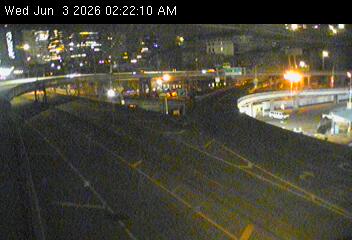
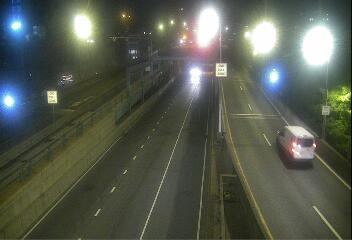
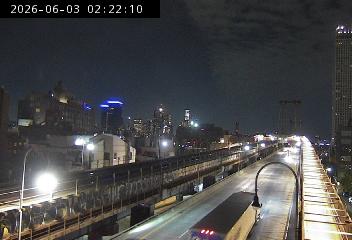
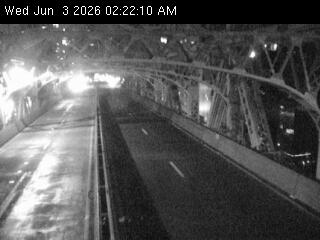
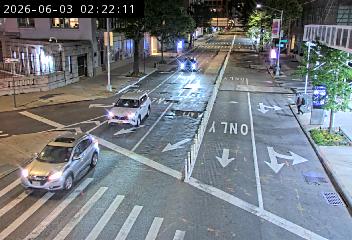
Click any camera to open the live feed. Static thumbnails refresh periodically.
For comprehensive New York State details, see our complete New York State cameras section.
The NYC DOT Camera Network
The New York City Department of Transportation operates a citywide network of 948 live traffic cameras streamed through the NYC DOT Real-Time Traffic Information map. NYC DOT cameras monitor city-owned streets, the four free East River bridges, and the major arterials moving traffic between boroughs — feeding the Joint Traffic Management Center in Long Island City that NYC DOT shares with state and police agencies around the clock.
NYC DOT camera coverage is distinct from the other two camera networks that show up in any New York drive:
- NYC DOT (city streets, intersections, FDR Drive, Queens Boulevard, Atlantic Avenue, and the four free East River bridges — Brooklyn, Manhattan, Williamsburg, and Ed Koch Queensboro). NYC DOT also owns 789 bridges and tunnels citywide and runs over 13,000 signalized intersections, per NYC DOT infrastructure data.
- 511NY (interstates and state highways inside the city — the Cross Bronx, the Long Island Expressway, the Major Deegan, the Staten Island Expressway, the BQE). 511NY is the New York State traveler information service run by the state DOT.
- Port Authority (the tolled cross-Hudson and cross-Narrows crossings — George Washington Bridge, Lincoln Tunnel, Holland Tunnel, Goethals, Outerbridge, Bayonne).
When someone searches "NYC DOT cameras," they almost always want the city-street feeds: the FDR at 34th, Queens Plaza, the Williamsburg Bridge approaches, Atlantic Avenue, Hylan Boulevard on Staten Island. TrafficVision.Live aggregates every public NYC DOT camera and shows it alongside 511NY highway feeds and Port Authority crossing cams on the same interactive map, so you can monitor any commute end-to-end without juggling three websites.
Browse Every NYC DOT Camera
All 948 NYC DOT intersection feeds plus 511NY highway cameras and Port Authority crossings — one interactive map.
VIEW NYC DOT CAMERAS →Manhattan's Most Important Traffic Cameras
Midtown Manhattan Crossings
Times Square (42nd & 7th Avenue) serves as a bellwether for Midtown congestion. When this intersection shows heavy traffic, expect delays throughout the core business district. The camera captures both north-south Broadway traffic and east-west crosstown movement, making it essential for gauging overall Midtown conditions.
Lincoln Tunnel Approaches (W 39th-42nd Streets) are crucial for commuters from New Jersey. These cameras show the infamous tunnel approach backup that can extend 20+ blocks during morning rush hour. Checking these views before committing to the tunnel can help you decide whether to divert to the George Washington Bridge or Holland Tunnel.
FDR Drive at 34th Street provides the key gauge for north-south Manhattan traffic. This section sees converging traffic from the Queens Midtown Tunnel, local Midtown exits, and through traffic to Upper Manhattan. Morning southbound and evening northbound congestion here indicates broader FDR delays.
Park Avenue at 59th Street marks the gateway to the Upper East Side and handles traffic from the Queensboro Bridge. This intersection reveals whether Midtown traffic is spilling into the Upper East Side, helping you decide on routing through Central Park or along the FDR.
Check Manhattan Traffic
See real-time conditions on Manhattan's critical intersections and approaches.
VIEW NYC CAMERAS →Bridge and Tunnel Cameras
Critical Crossings
- George Washington Bridge — World's busiest motor vehicle bridge with 45+ minute peak delays. Essential view for all upper Manhattan crossings
- Brooklyn Bridge (Manhattan side) — Shows Brooklyn-bound commuter backup and bridge walk conditions. Critical for Lower Manhattan routing
- Queens Midtown Tunnel — Key decision point for Long Island commuters: tunnel vs 59th St Bridge alternative
- Williamsburg Bridge (Brooklyn) — Notorious bottleneck at Brooklyn approach. Check before routing through Williamsburg
- Verrazano-Narrows Bridge — Staten Island toll plaza shows miles of rush hour backup. Essential for SI commuters
The George Washington Bridge upper level approach camera is perhaps the single most important traffic view in the New York metro area. Recognized as the world's busiest motor vehicle bridge, it handles roughly 300,000 vehicles daily — over 100 million crossings a year — according to Port Authority of NY & NJ data. This bridge experiences some of the worst congestion in the country, and the approach camera shows backup extent, helping you decide between the GWB, Lincoln Tunnel, or alternate routes through upstate.
The Brooklyn Bridge has 11 distinct camera angles in the directory, the densest single-asset coverage in NYC. Manhattan-side feeds reveal the infamous Brooklyn-bound backup that can extend down to the Financial District during evening rush, and the FDR Drive approach is the highest-leverage camera in the cluster since it shows the backup before you commit to crossing. The full set also includes paired north-roadway and south-roadway views at the Manhattan tower, mid-span feeds at the upper deck, a Sands Street entry view from the Brooklyn end, the pedestrian walkway feed (useful during peak tourist windows when foot traffic spills into the bike lane), and a Centre Street feed showing the surface-street access.
The Queens Midtown Tunnel approach cameras show the decision point for Long Island commuters: pay the tunnel toll or brave the free Queensboro Bridge alternative. During heavy traffic, the tunnel backup extends to Second Avenue, while the bridge approach on 59th Street can be equally congested. The Queensboro Bridge itself has 6 angles spread across the upper level and the East 57th Street approach; the upper-level York Avenue feed is the early indicator, since when it shows backup, cascading delays hit 59th Street and Second Avenue within 15 minutes.
The Williamsburg Bridge has 5 angles paired around the Bedford Avenue terminus on the Brooklyn side and the Delancey/Clinton intersection on the Manhattan side. The Bedford Avenue pair shows both north-roadway and south-roadway flow simultaneously, the cleanest way to compare directional congestion before crossing in either direction, and it captures the notorious Brooklyn-side bottleneck where the bridge funnels into narrow Williamsburg streets.
The Manhattan Bridge has 6 angles. The most informative is the lower-level camera near the Colonnade entrance, since the lower level handles bus and truck traffic that diverges from the upper level's car flow.
Verrazano-Narrows Bridge toll plaza cameras show the full extent of Staten Island rush hour backup. During peak times, delays can extend miles into Staten Island, making these cameras essential for SI residents planning their commute timing.
The cost of traffic congestion per driver in New York City is estimated at $1,826 annually. This contributes to a regional average commute time of 43 minutes for those traveling into the city center, with public transit users facing average commutes of 53 minutes. According to U.S. Census Bureau data, over 22% of city workers face "super commutes" of one hour or more.
Research published by the Federal Highway Administration found that access to real-time traffic camera feeds reduces secondary accident rates by up to 30% by enabling faster incident detection and response. This technology is vital in New York City, where INRIX reports that last-mile speeds into downtown during morning commutes have dropped to just 11 mph.
Monitor NYC Bridges & Tunnels
Check conditions on every major crossing before committing to a route.
BUILD YOUR ROUTE →Outer Borough Essential Views
BQE at Atlantic Avenue (Brooklyn) is perpetually congested and serves as a critical decision point. This junction handles traffic from the Brooklyn-Queens Expressway, Atlantic Avenue, and connections to the Brooklyn and Manhattan Bridges. When this camera shows red, expect cascading delays throughout Brooklyn's highway system.
Grand Central Parkway at LaGuardia is essential for airport travelers and Queens commuters. This section sees converging traffic from the Triborough Bridge, local LaGuardia access, and through traffic to eastern Queens. The camera reveals whether airport access is clear or if you should allow extra time. Users can also monitor live street feeds along Flatbush Avenue and Northern Boulevard to check for road-level gridlock near major retail hubs or arena events.
Cross Bronx Expressway at Jerome Avenue monitors what many call "the most hated highway in America." This perpetually congested stretch handles through traffic across the Bronx, connections to the Major Deegan, and serves as the key east-west route through the borough. Check this camera before any Bronx crossing to gauge whether alternate routes through local streets might be faster.
Belt Parkway at Coney Island shows the critical Southern Brooklyn junction where the Belt curves from east-west to north-south. This section handles beach traffic in summer, commuter traffic year-round, and serves as the main route to the Verrazano Bridge. Backup here indicates broader Belt Parkway congestion.
Corridor-level coverage to complement those intersection callouts
The intersection-specific cameras above each sit inside larger corridor clusters dense enough that you can trace a rolling delay from beginning to end rather than guess at it:
- FDR Drive (Manhattan) has 60+ cameras spanning the corridor from 125th Street down to the Battery, with named landmark views at 122nd, 111th, 101st, 96th, 79th, 73rd, 36th, Grand Street, and the Battery Park Underpass entrance. Spacing is roughly every 10-20 blocks, dense enough that any rolling backup gets captured by at least two cameras simultaneously, which is useful for distinguishing a temporary slowdown from an active incident.
- BQE (I-278) is covered by 58+ cameras from the Verrazzano-Narrows approach in Brooklyn through Williamsburg and over the Kosciuszko Bridge into Queens — context for the Atlantic Avenue chokepoint mentioned above.
- Long Island Expressway (I-495) is monitored from the Queens-Midtown Tunnel exit out to the Suffolk County border across 44+ cameras, including the Maspeth merge, the Long Island City split, the 220th Street decision point for the Cross Island Parkway, and the Throgs Neck Bridge approach.
- Van Wyck Expressway (I-678) has 31 cameras between the LIE interchange and JFK Airport, with five cameras clustered around the terminal access roads. If you are tracking JFK approach delays, the Van Wyck cluster gives you a 20 to 30 minute lead over airport-only feeds.
- Grand Central Parkway has 24 cameras across the LaGuardia and Triborough Bridge approach corridor — context for the LaGuardia intersection callout above.
- Cross Bronx Expressway (I-95) has 14 cameras across what is consistently the slowest urban highway in the country, providing the full-corridor context for the Jerome Avenue camera noted above.
This corridor density is why building a saved route on TrafficVision.Live actually works for NYC commutes — the chain of cameras lets you see whether a delay is local to one exit or rolling across the full route, instead of relying on aggregated phone-data estimates that cannot distinguish stopped from stopped-and-here-is-the-reason-you-should-detour.
Strategic Intersection Cameras
Beyond major crossings, certain intersections serve as key indicators for neighborhood traffic patterns:
Houston Street at FDR Drive marks the transition from Lower Manhattan to Midtown and handles traffic from the Williamsburg Bridge. This camera shows whether FDR drive-on ramps are backing up, indicating broader southbound FDR congestion.
34th Street at 11th Avenue (Hudson Yards) monitors the western edge of Midtown and approaches to the Lincoln Tunnel. This relatively new development area sees heavy traffic from both the tunnel and local Hudson Yards destinations.
Northern Boulevard at Queens Boulevard is the key Queens intersection connecting multiple major routes. This camera reveals congestion spreading between the LIE, Queens Boulevard, and local Northern Boulevard traffic.
Flatbush Avenue at Grand Army Plaza (Brooklyn) serves as the gateway to Prospect Park and handles traffic from multiple Brooklyn neighborhoods. This camera shows whether traffic is backing up into Park Slope, Fort Greene, or deeper into Brooklyn.
Monitor NYC Traffic Patterns
Track congestion across all five boroughs with strategic camera placement.
VIEW ALL CAMERAS →When to Check Each Camera
Peak Time Camera Guide
- Morning rush (7-10 AM): All bridge/tunnel approaches, Midtown crossings, FDR and West Side Highway, inbound parkway traffic
- Evening rush (4-7 PM): Outbound tunnel views, BQE and major parkways, bridge exits from Manhattan, airport approaches
- Weekends: Bridge approaches (Brooklyn, Williamsburg), Lincoln Tunnel (theater traffic), areas near major attractions, beach routes in summer
Different cameras matter at different times. Morning rush requires monitoring inbound bridge and tunnel approaches, while evening rush shifts focus to outbound views. Weekend traffic patterns change entirely, with recreational traffic to beaches, parks, and attractions dominating camera views.
During special events, expand your monitoring: Yankees games require cameras near the Major Deegan, Madison Square Garden events need Midtown views, and concerts at Barclays Center affect Brooklyn bridge approaches.
Using NYC Traffic Cameras Strategically
Understanding cascading congestion patterns amplifies the value of key camera views. George Washington Bridge backup doesn't just affect the bridge—it cascades down the Cross Bronx Expressway and backs up the Major Deegan. Queens Midtown Tunnel congestion spills onto the FDR and diverts traffic to the Queensboro Bridge.
Create your custom camera set: Identify 5-7 cameras along your regular routes and check them in sequence before every commute. Within a week, you'll recognize what normal patterns look like versus unusual congestion. Save these cameras as favorites for instant access.
Timing crossings effectively requires checking cameras 15-30 minutes before departure. Bridge and tunnel backup patterns can change rapidly, and what looks clear at 8:00 AM might be gridlocked by 8:30 AM. The cameras provide real-time decision-making power that static congestion maps can't match.
Weather impact dramatically affects which cameras matter most. Rain makes highway cameras critical as speeds drop and accidents increase. Snow shifts focus to bridge surface condition cameras. Heavy wind requires checking bridge cameras to monitor whether crossings remain open.
About the Platform
TrafficVision.Live provides free access to over 3,000 live traffic cameras across the NYC metro area, covering all five boroughs, every major bridge and tunnel, highways, parkways, and key intersections. This comprehensive coverage is part of our network of 140,000+ live camera feeds from 600+ sources worldwide.
The platform features an interactive map view for geographic browsing, grid view for rapid scanning, custom route building with automatic camera identification, and favorites system for instant access to your most important camera views. All cameras update in real-time with the latest available images.
Related guides:
- New York State Traffic Cameras — Statewide 511NY network
- How to Check Traffic Before Your Commute — Strategic camera usage
How many NYC DOT cameras are there?
The New York City Department of Transportation operates 948 live traffic cameras across the five boroughs — 351 in Manhattan, 209 in Queens, 208 in Brooklyn, 100 on Staten Island, and 80 in the Bronx. All NYC DOT camera feeds are streamed publicly through the NYC DOT Real-Time Traffic Information map and aggregated on TrafficVision.Live alongside 511NY highway cameras.
What is the difference between NYC DOT cameras and 511NY cameras?
NYC DOT cameras cover city-owned streets, intersections, and the four free East River bridges (Brooklyn, Manhattan, Williamsburg, Ed Koch Queensboro). 511NY cameras cover interstates and state highways inside the city — the Cross Bronx, the LIE, the Major Deegan, the Staten Island Expressway, and the BQE. Port Authority operates the tolled crossings: the George Washington Bridge, Lincoln Tunnel, and Holland Tunnel. TrafficVision.Live shows all three networks on the same map.
What are the best traffic cameras to watch in NYC?
Key cameras include the George Washington Bridge approach, Lincoln Tunnel (W 39th-42nd St), BQE at Atlantic Ave, Cross Bronx at Jerome Ave, and FDR Drive at 34th St. These views cover the most critical chokepoints across the five boroughs.
How many traffic cameras does NYC have in total?
TrafficVision.Live provides access to over 3,000 cameras across the NYC metro area — 948 NYC DOT intersection cameras, plus 511NY highway feeds covering the interstates inside the city, plus Port Authority crossing cameras at the GWB, Lincoln Tunnel, and Holland Tunnel.
Are NYC DOT traffic cameras free to view?
Yes, all NYC DOT cameras on TrafficVision.Live are completely free with no account required. These are publicly maintained cameras operated by NYC DOT and the 511NY state traveler information service.
Which NYC bridge has the worst traffic?
The George Washington Bridge is consistently the most congested, carrying roughly 300,000 vehicles a day (Port Authority data) and seeing peak-hour delays of 45+ minutes. The BQE approaches to the Brooklyn and Manhattan bridges are also notorious bottlenecks.
When is the best time to cross NYC bridges?
Most bridges are clearest between 10 AM-3 PM on weekdays and before 9 AM on weekends. Evening rush (4-7 PM) is worst for outbound Manhattan traffic. Check cameras before any crossing.
Where can I find NYC street feeds?
NYC DOT operates 948 street-level cameras across Manhattan, Brooklyn, Queens, the Bronx, and Staten Island, covering major surface routes like Broadway, 5th Avenue, Atlantic Avenue, Queens Boulevard, and Hylan Boulevard. Find every NYC DOT street feed on the TrafficVision.Live interactive map, or browse our broader hub of free live street cameras worldwide to compare intersection feeds in other cities.
Start Monitoring NYC Traffic Now
Access 3,000+ live cameras and city street feeds covering every bridge, tunnel, and major intersection across all five boroughs.
VIEW ALL CAMERAS →